Creating intentional experiences
Applying my background in cognitive psychology and skills in communications and graphic design, I will research your audience's needs and design products — websites, communications, meetings or spaces — that facilitate delight and reinforce purpose.
Designing the experience of a house, June 2018 - February 2020
What happens when you turn the conventional notion of house layout on its head and instead think about the experiences a house is meant to contain? Working with Michael Morrow of Kinneymorrow Architecture to remodel a 1920 bungalow, I wanted to think about our square footage as a place to stage myriad activities associated with the family life my husband and I wanted to create — rather than a set of discrete spaces conventionally defined as “bedroom” or “dining room.” To facilitate our initial conversation with the architect, we populated an activity map of all the verbs associated with a home — gathering, relaxing, making, entering — and described variants of those activities as spikes attached to the verb. “Entering” included “with groceries, with a baby carrier, with rain gear, as a guest, to take in the mail” and so on.
The result isn’t a conventional home layout — we walk into the back door, and our guests enter directly into a studio space that serves as the family’s hub of making, creating and messiness — but it perfectly facilitates the experiences we love. There’s a handy nook with a deep sink where we can toss the meal prep dishes so that our dinner with friends can be uncluttered and clean. There’s a wall of storage so that one space — the maker space — can be a sewing studio for hosting craft parties in one moment and a play-doh explosion for small children the next. By taking apart the components and thinking about activities, we designed a home that creates shared experience without maximizing square footage.
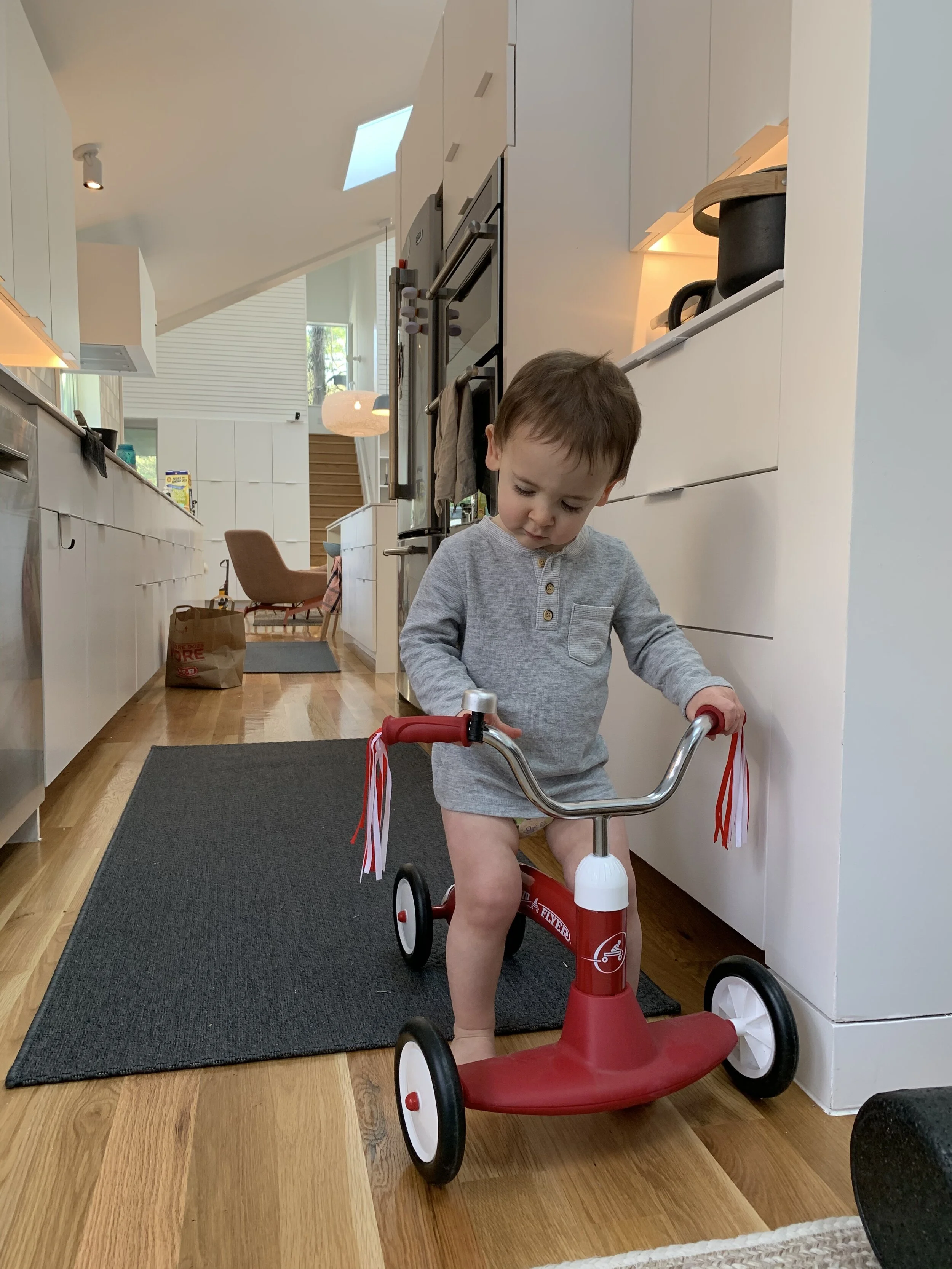
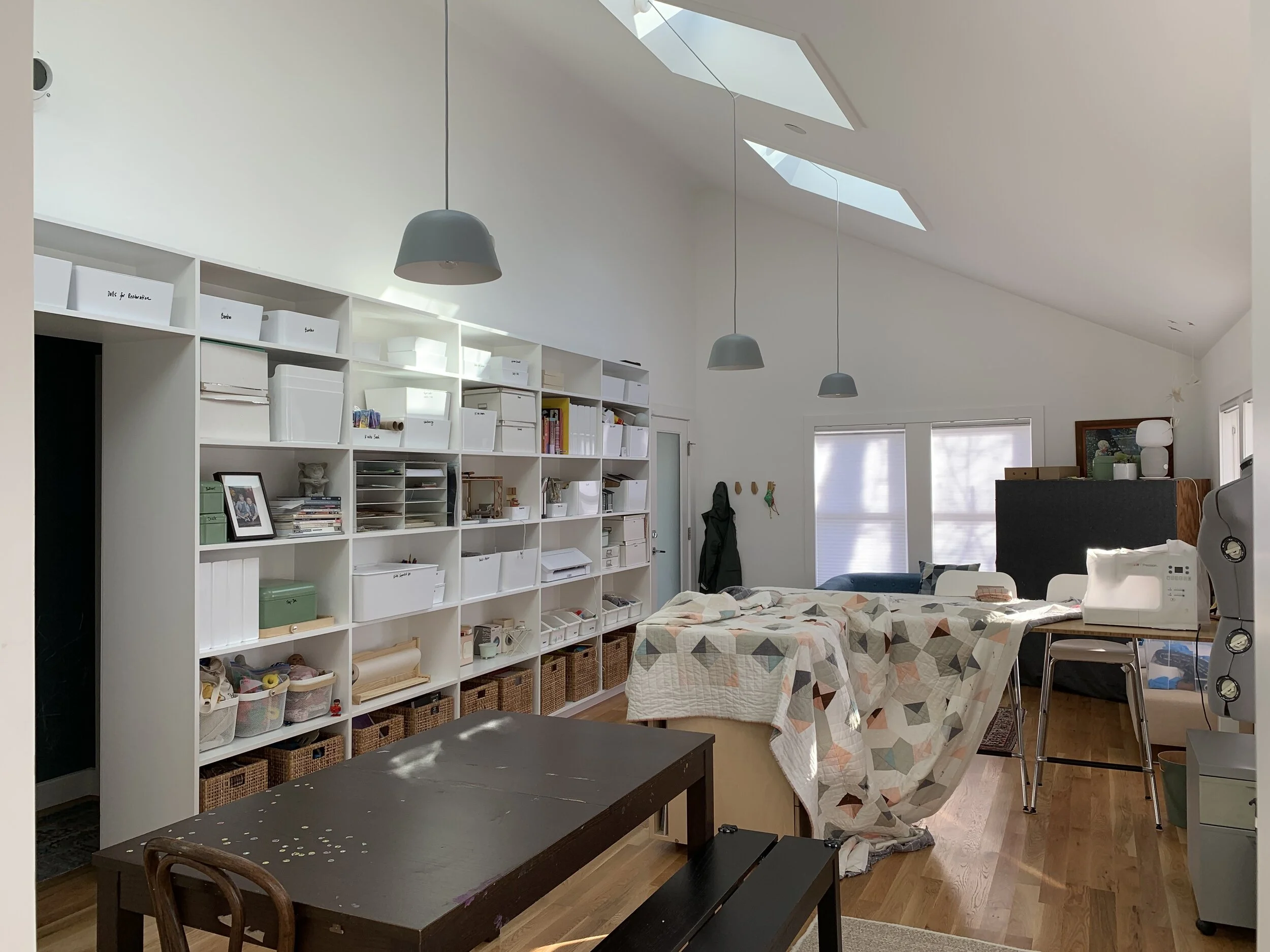
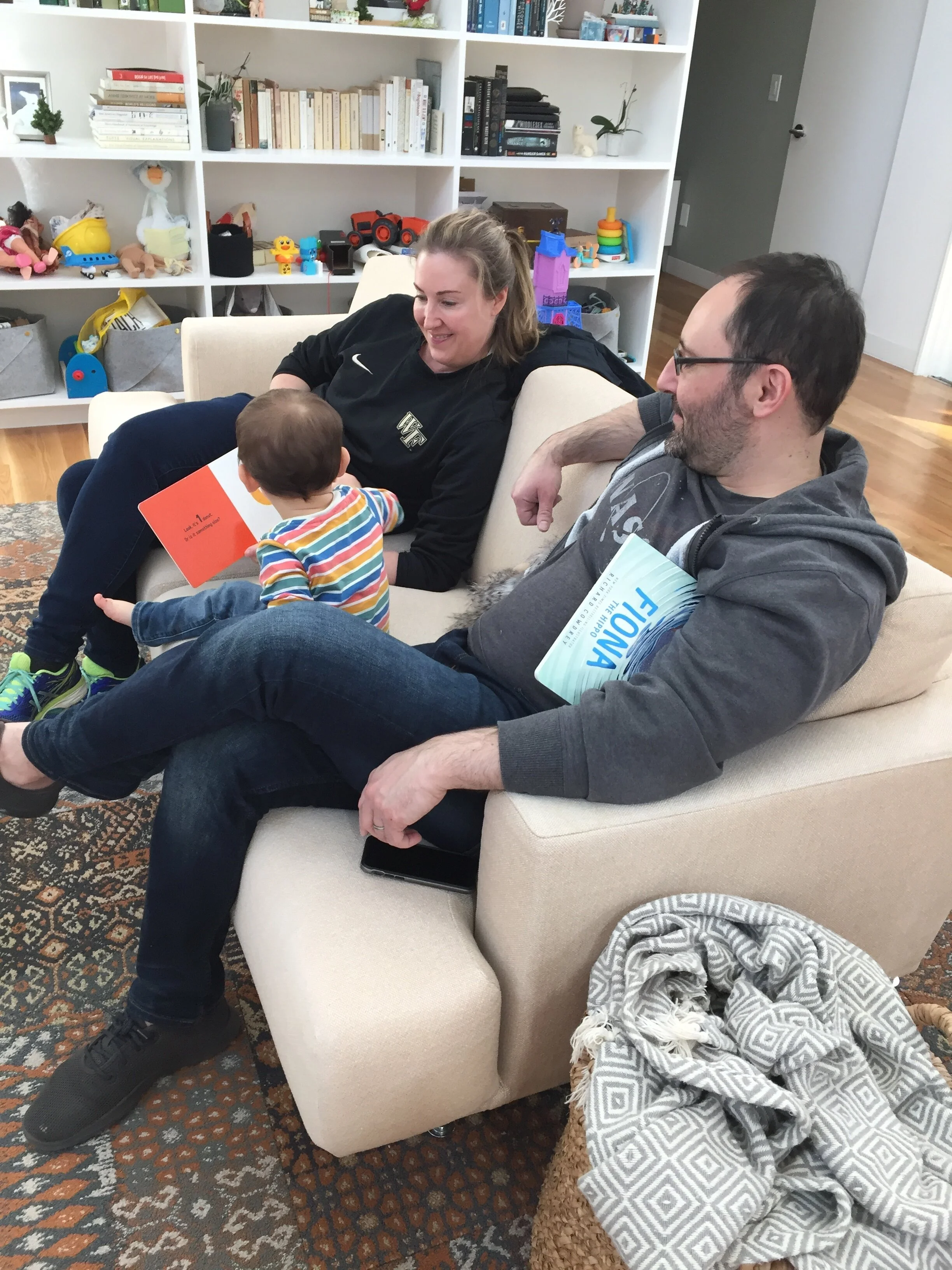
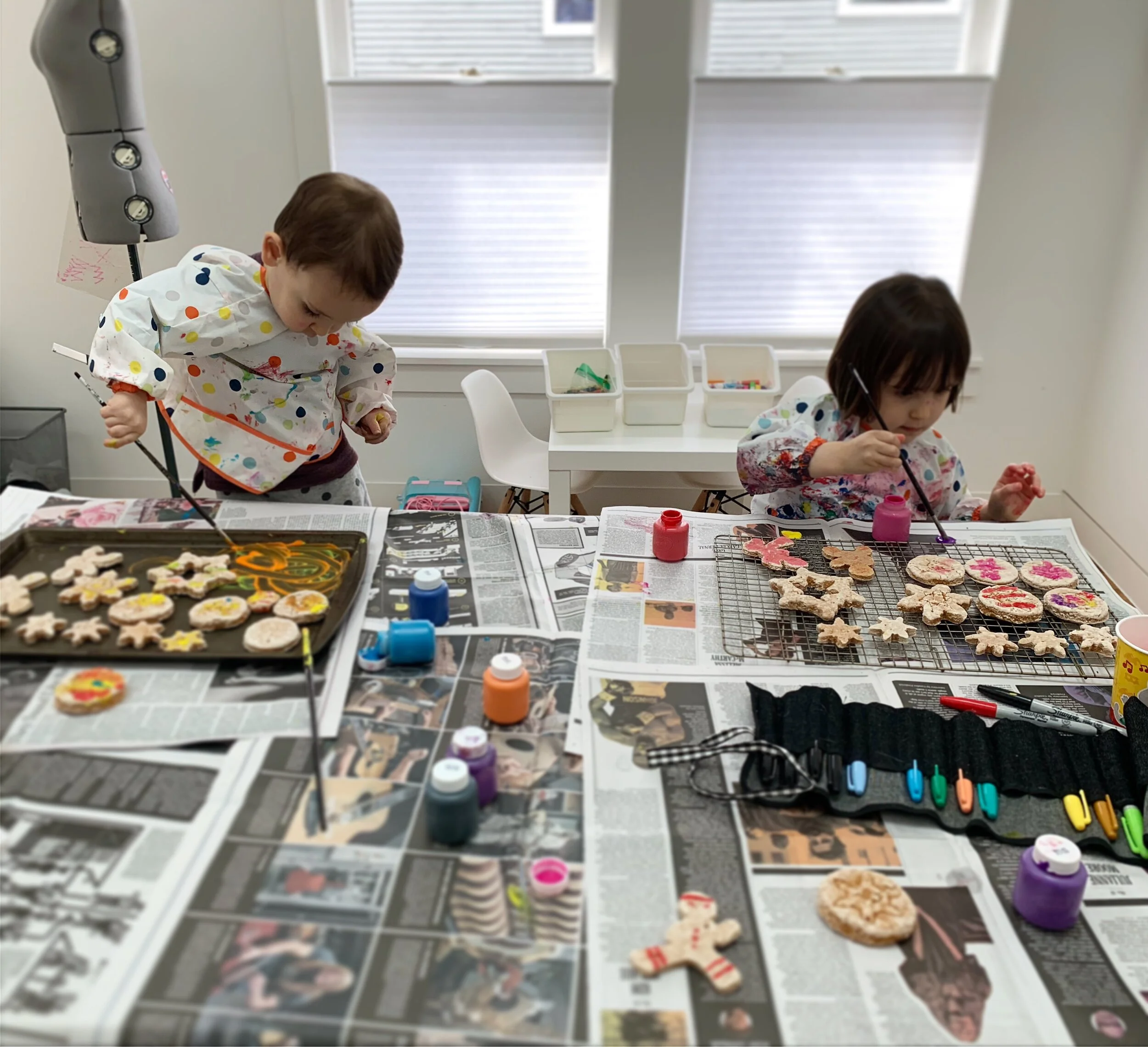
Reimagining a house as a set of experiences taking place at different times and with different people opened possibilities for creation and gathering.
Improved site function, March 2017
A local Houston firm needed a website to attract new business by demonstrating its track record and expertise. This could have been easily accomplished with text on a home page, but the firm was actually comprised of five loosely-confederated experts who pulled their practices together to share resources. As a result, the team’s brand needed to merely serve as an umbrella, with the focus being on users’ ability to quickly locate and contact the relevant expert for their problem.
This wireframe allows the user to quickly access the firm's people and portfolio, with the option to explore in-depth if they choose to delve deeper.
Website redesign, March 2016
In March 2016, I worked with a new Houston synagogue to develop a website redesign that would serve their unique community needs.
The organization had no permanent building, choosing instead to hold events around Houston to serve multiple populations. This upended the traditional concept of a "synagogue” as a place and instead proposed an untethered group of people who assembled where the needs of the community dictated. They needed a website that not only told people where to go but also highlighted that events were the heart of their community, not a walled location.
Commerce design, December 2015
As part of a graphic design course, I created a website mockup for a company whose main goal was to gather email addresses to support the sales of a new product. This simple format focuses the user on the sign up function, while sharing just enough content to make them want to use it.